Turning Point USA Coming To Every High School In Texas
In recent weeks, the state of Texas has moved to dramatically expand the presence of Turning Point USA (TPUSA) in public high schools — a shift that many see as reshaping youth civic engagement in the state.
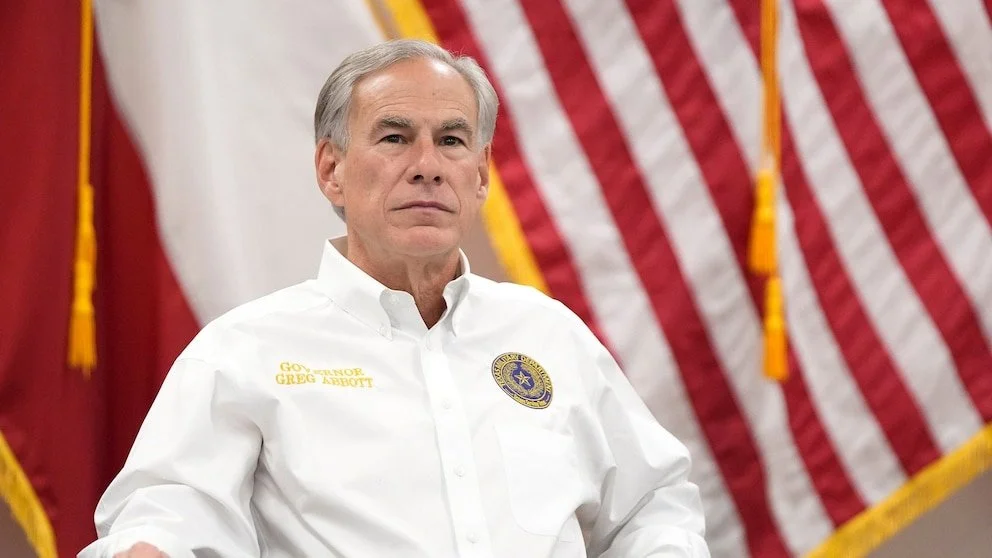
First, here is what is changing: at a December 8, 2025 press conference, Greg Abbott (Governor of Texas), Dan Patrick (Lt. Governor), and TPUSA leadership announced a partnership to install TPUSA’s high-school affiliate—Club America — on every public high school campus in Texas. According to the announcement, Texas already has more than 500 high school chapters of Club America. The plan includes a strong warning: any school that “stands in the way” of establishing a Club America chapter should be reported to the Texas Education Agency (TEA), with “meaningful disciplinary action” threatened for those that block it.
Proponents frame the shift as a restoration of values and civic engagement. Abbott argued that TPUSA and Club America help “restore moral clarity, constitutional principles, and our founding values,” and described participating students as the future leaders of Texas. TPUSA describes Club America as a student-led organization intended to “identify, educate, train, and organize students to promote the principles of freedom, free markets, and limited government.” In their view, the expansion offers students opportunities for activism, leadership, voter registration drives, and civic engagement while on campus.
But the move has already stirred significant controversy and concerns. Critics argue that a state-backed push to embed a politically and ideologically aligned youth group in public high schools threatens longstanding principles of local control and neutrality in public education. As one educator-critic put it, selective promotion of one kind of student club — particularly a conservative, partisan one — while suppressing others (especially those with progressive or identity-based aims) undermines fairness and pluralism.
Moreover, many worry about the effects on students themselves. Dissenters highlight that high school is a formative period — making widespread exposure to an ideologically driven program problematic, especially for younger teens who may not yet have fully formed political or social perspectives. Civil-liberties advocates question whether public schools, funded by taxpayers, should be used to advance a single political viewpoint under the guise of “club activity.”
At the same time, the expansion has been remarkably rapid. According to a representative for TPUSA in Texas, the number of high school chapters statewide has doubled — or even tripled — since the recent death of TPUSA founder Charlie Kirk. Despite some reports of district-level resistance, in many areas the rollout has met little institutional pushback.
In sum, Texas’ move to expand TPUSA/Club America across high schools marks a major shift in how youth political and civic engagement may be structured in the state’s public education system. While supporters see it as empowering students with conservative values and civic tools, critics warn it blurs the line between education and political indoctrination — raising questions about fairness, neutrality, and the role of government in shaping student ideology.